
Travel Business FAQ’s
Is this network marketing?
Yes, in the strictest sense of the phrase, this is network marketing. Every single person has a network - it may be your family, friends, work colleagues, parents on your child’s school playground, ladies at the hair salon, or even your local faith group. Some of you may have an online network on social media platforms. Whatever your network happens to be, you will be taught how to make it work for you.
Is this a pyramid scheme?
No, a pyramid scheme is illegal. Pyramid schemes have nothing to sell - they’re simply recruiting people who will spend money. In our opportunity, YOU have control. Our opportunity is built around YOU, and what YOU want.
What's the difference between networking marketing and a pyramid scheme?
Legitimate network marketing companies have a product, whether it’s a tangible, physical item or a service. You sell that product or service to your network and as they pay for your item, you earn money. Pyramid schemes don’t have a product and take your money, often leaving you significantly out of pocket.
Do I need to be a ‘salesperson?’
No. The image that comes to mind when people think of a salesperson is of a middle-aged man carrying a briefcase, trying to sell you life insurance. That is not what we’re about.
The simple truth is that people like travelling. You have been on holiday, as have your family and friends. Building a travel business works so well because you are offering a personalised service for something that people already want to buy. The people who tend to be the best sellers are relationship builders. They can have a relaxed conversation, are never pushy and frankly, they’re not trying to twist your arm to get you to buy. At some point, your client will travel - if you have built a rapport and a relationship with them, they will remember you and come back to you.
‘In network marketing companies, only the people at the top make money.’
Whilst this may be true of some network marketing companies out there, it is NOT true for us. The travel business which we will help you to create earns YOU money. YOU earn commission whilst running your own business - it’s entirely yours. We only provide the tools and resources and support you need to get started and grow. How big your business becomes is entirely up to you.
‘It’s a ‘get rich quick’ scheme.’
Absolutely not. This is a business. It operates the same way as if you decided to bake cakes and start selling them. Growth will come but it is steady and achieved through hard work and effort. If you are looking to immediately earn significant amounts of money, this is not the right opportunity for you.
‘I need a huge network to be successful.’
No. The success of your business comes through steady consistency. Having a network of 50 engaged clients is far better for long term success than a disengaged network of 5000.
‘It’s just recruiting, not selling products.’
No. The travel business is your standalone business. If you do not want to recruit any other person and would like to focus 100% on growing your own business and income, that is absolutely fine.
What’s the financial risk?
This is a low cost entry business. The amount that you pay won’t be anymore than a few monthly subscriptions that you’re already paying. You will not be purchasing any inventory as travel is a service and not a physical product. For full details of the financial cost to you, get in touch for a detailed chat and we can run through the numbers together.
How much time do I need to commit?
That’s entirely up to you. This is a flexible business built around YOU and your life. How you choose to structure it so it fits into your day or week is completely up to you. It is not supposed to be stressful or cause you a headache.
Isn’t the market already saturated with travel businesses?
No. If it was, our team would not be seeing the success it is. Trust, honesty and reliability are the keys to this business. If you can build those three things with your clients you will develop a strong reputation which will serve you well as you move forward.

Introducing TFO Travel
There are certain things in life which you might dream of but assume will never happen. Things like going to the moon, winning the lottery, or being your own boss. But I can help you to make at least one of those things come true.
The phrase ‘financial freedom’ has been around for a LONG time. The problem is that most people who were trying to get you to buy in to what they were selling, didn’t in fact, have much of anything to give you.
This is different.
Depending on what you wish to achieve, your circumstances, your family life and personal situation, either or both of the opportunities I am about to share with you could be your ticket to finally being your own boss, achieving total financial freedom, or frankly, having extra rainy day funds for when you need them.
Crucially however, if, after speaking with you, I don’t think these opportunities are right for you, I will tell you. Because although it's rare, they won’t be right for everyone.
To make these opportunities worthwhile for you, read through the details below and see if either opportunity feels right to you. Remember that the information below is an outline of each opportunity, and the best way to get the full details is on a call with me.
-
Do you travel regularly or know others who do? Do you know how to book a holiday online? If so, this may be just right for you. If you have ever used the likes of price comparison travel websites to book a hotel, flights, cruises or even car hire, that’s all the experience you need right there. Here’s the opportunity: when you book any one of these services, the website you use to book the service earns a commission from the hotel, airline, cruise line etc in question. Why should the person earning that commission not be you instead? When you join our platform, the only thing you need to do is complete the training which will give you access to all of the insider rates and exclusive systems used by all of the major booking sites in the world. And because I believe in transparency, I can also tell you that the cost of this, to you, will be no more than the amount you’re already spending on your monthly subscriptions. That’s it.
Is this right for me? This opportunity typically suits someone who wants to be their own boss, wants an extra (or full-time) income stream, doesn’t want to invest significant financial amounts, but wants to have access to tried and tested support from thousands of people who have done this before. There are no sales quotas, no targets to hit, no inventory to buy, no signing up to a random contract. It’s a straightforward way for you to set up a business and earn without stress.
-
Do you have a natural talent for chatting to people and explaining what you do? Are you known for coaching, mentoring and developing others? Then this could be just the thing for you. This opportunity is all about creating passive income. What this means is that instead of actively focusing on building a standalone travel business, you would be building the overarching support and mentorship FOR those standalone businesses. The focus here is on ensuring that every single person who wants to start their own travel business, has the opportunity, tools, platforms and support to do so.
And if you’re wondering, ‘but how do I make any money from that?’ it’s simple - as your travel team becomes successful, so do you. But here’s the key bit - as part of one of the world’s biggest travel businesses, your success is guaranteed. Think of it like being a CEO of a company - your job is to bring in the right people and coach, mentor and guide them to do the best they can because when they do well, so do you.
Is this right for me? This opportunity suits individuals who like engaging with people professionally - if you have ever worked in a career like recruitment or senior corporate roles, you will be familiar with training, upskilling and motivating teams. That is exactly what this role involves. Unlike Opportunity 1 however, you will need to be available to your team regularly, carry out 1-1 development calls or meetings, provide advice and guidance, and answer any questions they may have. It’s a very different role to Opportunity 1 but those who are natural people leaders tend to do very, very well in this position.
Whether you decide to explore Opportunity 1 or 2 is entirely up to you. Some people even decide to do both and depending on life circumstances, even switch from one path to the other.
I am on hand to guide you to where you want to be but ultimately, you get to decide how you want to work, where, when and how much you want to work. Success isn’t overnight - like any other business, it takes time and hard work. But the strategy is simple and the training is all provided for you thanks to exclusive platforms, insider relationships with the world’s biggest travel brands, and the expertise and support of those who have done this before you.
And for those of you who still aren't quite convinced, I've pulled together a handy FAQ’s explainer to answer some of the most common questions. Just click here.
It’s a cliche for a reason - if everyone else can do it, why can’t you?

Explorer Diaries: Argentina's Train to the Clouds
For the adventurer looking for epic views, delicious food, and a touch of culture.
Day 1: Arrive in Salta – Get Your Bearings
Your adventure begins in Salta, the charming colonial city that serves as the gateway to the Andes. Upon arrival, check into a stylish boutique hotel like Legado Mitico, which offers a chic and cosy atmosphere filled with local character. Start your exploration with a stroll through Plaza 9 de Julio, the city’s vibrant central square lined with palm trees and historic buildings. This is the perfect spot to get a feel for Salta's laid-back yet lively vibe.
For lunch, head to Doña Salta and order some authentic empanadas, especially the ones stuffed with beef, olives, and egg — they’re a local favourite.
In the afternoon, take the Teleférico San Bernardo (cable car) up to Cerro San Bernardo for breathtaking panoramic views over Salta. The golden hour light will make the view even more magical, so don’t forget your camera. On your way back down, wander through the charming cobbled streets and explore artisan shops selling handmade ponchos and silver jewellery.
For dinner, treat yourself at El Charrúa, where you can try llama steak — it’s tender and flavourful — and a quinoa salad on the side.
Day 2: All Aboard the Tren a las Nubes!
Day two begins with an early start as the Tren a las Nubes departs around 7:00 AM. Make sure to grab a quick medialuna (Argentinian croissant) and a strong coffee before heading to the station. Booking a first-class ticket is a good idea if you want extra comfort and a better window seat for those epic views.
The train ride is nothing short of spectacular. It climbs over 4,200 metres, crossing 29 bridges and going through 21 tunnels. The landscape shifts from rugged mountain peaks to deep valleys, with the highlight being the crossing of the iconic Viaducto La Polvorilla — an architectural marvel suspended high above a dramatic canyon. The train crew often hands out coca leaves to help with altitude sickness; chew on them if you start feeling light-headed. Keep an eye out for llamas and local herders along the way — it feels like stepping into a postcard.
Onboard snacks are available, but it’s smart to pack your own essentials like alfajores (dulce de leche cookies) and bottled water to stay hydrated. The train returns to Salta by late afternoon, leaving you pleasantly exhausted.
In the evening, keep things relaxed and head to a local dining spot for delicious food and drink.
Day 3: Explore Salta’s Surroundings
On day three, rent a car or book a local driver for a trip to Cafayate, which is about three hours from Salta. The drive through the Quebrada de las Conchas is jaw-dropping, with its dramatic red rock formations that look like the surface of Mars. Make sure to stop at the Amphitheatre and the Devil’s Throat, two impressive natural rock formations that make for epic photo ops.
For lunch, head to Piatelli Vineyards, where you can enjoy a meal with a view. The grilled provoleta (a gooey, grilled cheese dish) is a gues favourite.
Return to Salta in the evening and head to La Casona del Molino for dinner. This is a local peña (folkloric music bar) where you can try locro (a hearty Andean stew) while listening to live guitar music. The atmosphere is lively and authentic, and it’s the perfect way to end a day of adventure.
Day 4: Culture and Last-Minute Shopping
On your final day, start the morning with a visit to the MAAM Museum (Museum of High Altitude Archaeology). This fascinating museum is home to the famous Inca mummies discovered at the summit of Mount Llullaillaco — their preservation at such high altitudes is both eerie and remarkable.
After the museum, stop by the Mercado Artesanal to browse for authentic local crafts. From woven textiles to pottery and silver jewellery, this is the best place to pick up unique souvenirs.
For lunch, try Greeners for a fresh and light meal. Their quinoa bowls and fruit smoothies are a refreshing change after the heavier traditional dishes. If you have time before your flight, relax with a coffee and a sweet treat at El Solar del Convento — their pastries are delicious and the café’s quiet atmosphere is the perfect way to relax before your next leg of travel.
Travel Tips:
Altitude sickness can be tricky when travelling to such high elevations, so stay hydrated and avoid alcohol the night before the train ride. If you feel light-headed, take it easy and try chewing on coca leaves, which are a natural remedy used by locals. When packing, make sure to bring layers — Salta is warm, but the mountains can be chilly, especially in the early morning and late evening. Salta is generally safe for solo travellers, but it’s always wise to stick to well-lit areas at night and keep your valuables secure. Some smaller restaurants and markets only accept cash, so make sure to have some Argentine pesos on hand.
Tren a las Nubes isn’t just a train ride — it’s a full-on adventure into the heart of the Andes. Pack your sense of adventure, a comfy jacket, and your camera — you’re going to need all three! 😎

Explorer Diaries: Istanbul
A fun and adventurous travel guide to Istanbul. How would you spend seven days in this ancient city?
Istanbul is a city that has it all—history, culture, breathtaking views, and a food scene that will have you dreaming about it long after you've left. Whether you're travelling solo, with friends, or on a romantic getaway, this city is made for adventure, indulgence, and a little bit of magic. So, pack your bags and get ready to fall in love with Istanbul.
Day 1: Arrival & Exploring Sultanahmet
Start your journey in the heart of old Istanbul, where history feels alive in every street. Staying at Ajwa Hotel Sultanahmet is like stepping into a luxurious Ottoman dream, complete with intricate tiling and plush interiors that make you feel like royalty.
Wander through the awe-inspiring Hagia Sophia, where you’ll stand under a dome that has watched over the city for centuries. Right across, the Blue Mosque welcomes you with its ethereal beauty—don’t forget to bring a scarf to cover your head as a sign of respect.
If you're craving a break from sightseeing, take a peaceful stroll in Gülhane Park, where locals sip tea under ancient trees. It’s the perfect spot for journaling or people-watching. And speaking of tea, kickstart your food journey with a traditional Turkish breakfast at Café Rumist. Trust me, once you try menemen (fluffy scrambled eggs with tomatoes and peppers) and a fresh, warm simit (the Turkish answer to a bagel), you’ll never look at breakfast the same way again.
Day 2: Grand Bazaar & Spice Market
No trip to Istanbul is complete without getting lost in the Grand Bazaar. It’s a paradise for shopaholics and culture lovers alike. You’ll find handcrafted jewellery, intricate Turkish lamps, and silk scarves that make the perfect souvenirs. Even if you’re just browsing, the energy of the market is contagious.
Next, step into the Spice Market, where the air is thick with the scent of saffron, cinnamon, and fresh Turkish delight. Treat yourself to some baklava at Karaköy Güllüoğlu, where the layers of buttery pastry and sweet, sticky pistachios will melt in your mouth.
After a day of shopping, unwind at the Süleymaniye Mosque, one of the most peaceful spots in the city, with panoramic views that are especially stunning at sunset.
Day 3: A Day in Karaköy & Galata
Time to explore Istanbul’s trendy side! Walk across Galata Bridge, where fishermen line up for their daily catch, and make your way to the Galata Tower. The climb to the top is worth every step—think 360-degree views of the city, best enjoyed with a cup of Turkish coffee.
The neighbourhood of Karaköy is an absolute dream for Instagram lovers, with its vibrant street art, cute boutiques, and effortlessly cool vibe. Stop for brunch at Mums Café, where you can tuck into avocado toast with a Turkish twist.
End your day with drinks at Mikla, a rooftop bar that will make you feel like you’re on top of the world as the city lights start to twinkle below.
Day 4: Bosphorus Cruise & Ortaköy
If there’s one way to see Istanbul from a new perspective, it’s on a Bosphorus cruise. As you sail past lavish Ottoman palaces and charming fishing villages, you’ll understand why this city has captivated travellers for centuries.
Make a stop at Ortaköy, a neighbourhood that feels straight out of a fairytale. Its waterfront mosque, nestled between modern cafés and cobbled streets, is one of the prettiest sights in the city.
Here’s where you need to try Kumpir—a gloriously overstuffed baked potato filled with everything from cheese to olives. It’s a local favourite, and after one bite, it’ll be yours too.
Day 5: Exploring Asia – Kadıköy & Moda
Hop on a ferry to Kadıköy, Istanbul’s cool, artsy district on the Asian side. The laid-back, bohemian vibe here is a nice contrast to the bustling European side. Stroll through the charming streets of Moda, where independent bookstores, concept cafés, and vintage boutiques invite you to linger.
If you’re in the mood for a little self-care, visit the Çemberlitaş Hamamı, a centuries-old Turkish bath where you can indulge in a luxurious steam and scrub. It’s an experience every woman should try at least once—relaxing, detoxifying, and deeply rooted in Turkish tradition.
For dinner, grab a seat at Çiya Sofrası, where the menu is a love letter to Anatolian cuisine. Expect bold, rich flavours that tell the story of Turkey’s diverse culinary heritage.
Day 6: Princes’ Islands Escape
By now, you might be craving a little peace and quiet, and the Princes’ Islands are just the place for it. Take a ferry to Büyükada, a car-free island where time seems to slow down. Rent a bike and cycle through pine-covered hills, stopping to admire historic mansions along the way.
Climb up to Aya Yorgi Church, a charming hilltop chapel that rewards you with sweeping views of the Marmara Sea.
For lunch, dine by the water at Milto Restaurant, where the seafood is as fresh as the ocean breeze.
Day 7: Shopping & Rooftop Lounging
Your last day calls for some retail therapy. Head to Nişantaşı, Istanbul’s answer to Paris’s Champs-Élysées, where designer boutiques and chic cafés line the streets. If you prefer a more modern shopping experience, Istinye Park has everything from high-end fashion to local designers.
As the sun sets, raise a glass to an unforgettable trip at 360 Istanbul, a rooftop lounge where the city sprawls out beneath you in a golden glow.
For a final dinner, indulge in a meal at Sunset Grill & Bar, where the fusion of Turkish and international flavours is as unforgettable as the view.
Local Customs & Travel Tips
Istanbul is an exciting and welcoming city, but knowing a few cultural tips will make your experience even smoother. When visiting mosques, it’s a good idea to dress modestly and carry a scarf for covering your head. Shopping at the bazaars? Haggling is expected and even part of the fun! The city is safe, but as with any big metropolis, keep an eye on your belongings in crowded areas. And most importantly, embrace the warmth of Turkish hospitality—locals are known for their friendliness and generosity, so don’t be surprised if you’re invited in for a cup of tea!
Istanbul is a city of contrasts—where East meets West, tradition meets modernity, and every street has a story to tell. Whether you're savouring a plate of baklava, watching the sunset over the Bosphorus, or uncovering the hidden gems of its bustling streets, this city will leave you enchanted.

Explorer Diaries: Oman - A 7-Day Travel Guide
Visit one of the most underrated countries in the Middle East - an adventurer’s paradise with the perfect mix of culture, calm and things to do.
Oman is a dream destination for anyone in the pursuit of adventure, culture, and relaxation. With its golden deserts, rugged mountains, pristine beaches, and warm hospitality, it’s the perfect escape from the everyday. This guide is designed to give you a taste of everything—delicious food, stunning landscapes, and meaningful cultural experiences.
Day 1: Arrival in Muscat and A Warm Omani Welcome
Touch down in Muscat and step into a city that seamlessly blends the old and new. Stay at The Chedi Muscat, a stunning beachfront resort that feels like an oasis of calm.
Start your journey with a visit to the Sultan Qaboos Grand Mosque—it's breathtakingly beautiful, with its enormous chandelier and intricate mosaic work. Just remember to wear something modest (a light scarf for your hair and loose clothing will do). Then, wander through the Mutrah Souq, a maze of colourful stalls where you can pick up unique silver jewellery, spices, and the famous frankincense. It’s the perfect spot for souvenirs that actually feel special.
For dinner, Bait Al Luban is a must. Picture yourself savouring slow-cooked shuwa (Omani lamb) and finishing with a plate of sticky-sweet halwa, all while overlooking the harbour.
Day 2: Exploring Muscat
Start your day at Bait Al Zubair Museum, where you’ll get a feel for Oman’s history and traditions, from ancient weaponry to delicate handcrafted dresses. After that, take a dolphin-watching boat tour—watching these playful creatures in the turquoise waters is pure magic.
Unwind at Al Bustan Beach before heading to Kargeen, a stylish open-air restaurant where you can try Omani fusion food. Their majboos (spiced rice with chicken) is divine, and the chilled, lantern-lit atmosphere makes it a great spot to end the day.
Day 3: Nizwa and Jabal Akhdar
Leaving Muscat behind, drive to Nizwa, one of Oman’s oldest cities. It’s home to the Nizwa Fort, where you can climb to the top for sweeping views. The souq is full of handcrafted silver jewellery—ideal if you love unique, meaningful accessories.
Continue up into the mountains and check in at Alila Jabal Akhdar, a luxurious retreat perched on the edge of a canyon. The air is cooler up here, and the landscapes are jaw-dropping. Spend your afternoon hiking through Wadi Bani Habib, where abandoned stone villages look like something out of a fairytale.
Dinner at Juniper Restaurant is all about fresh mountain produce—think pomegranates, local honey, and warm Omani bread straight from the oven.
Day 4: Wahiba Sands for A Desert Adventure
When it’s time to experience the magic of the desert, head to Desert Nights Camp, where you’ll stay in a luxury tent under the stars. Try your hand at dune bashing (it’s like a rollercoaster ride in the sand), then slow things down with a peaceful camel ride at sunset.
One of the highlights? A traditional Bedouin dinner by the fire. The locals will teach you about their customs as you enjoy juicy grilled meats and fragrant rice. There’s something incredibly grounding about being surrounded by endless dunes and a sky full of stars.
Day 5: Wadi Bani Khalid and Sur
After the golden sands of Wahiba, it’s time for a refreshing dip in the natural pools of Wadi Bani Khalid. The turquoise water is perfect for swimming, and the shady date palms make it a dreamy picnic spot. Grab some samboosas (crispy Omani pastries) and mishkak (spiced meat skewers) from a local stall before hitting the road to Sur.
Stay at Ras Al Jinz Turtle Reserve, where you’ll have the rare chance to see baby turtles hatching on the beach at night. Watching them waddle towards the sea is an unforgettable experience.
Day 6: Explore the Coast
Drive along Oman’s rugged coastline, stopping at the stunning Bimmah Sinkhole—a natural turquoise pool where you can take a dip. Continue to the beaches of Fins and Tiwi, where soft white sand meets crystal-clear water. It’s the perfect place to soak up the sun and just breathe.
For lunch, enjoy a simple but delicious meal of khubz ragag (thin Omani bread) with cheese and honey. Sometimes, the best meals are the simplest ones.
Day 7: Back to Muscat and A Relaxing Farewell
On your last day, take things slow. Treat yourself to a spa morning at Anantara, then do some last-minute shopping at the elegant Opera Galleria, where you can find luxury perfumes and handcrafted gifts.
End your trip with a sunset dinner at The Beach Restaurant at The Chedi—fresh seafood, a warm sea breeze, and a view you won’t forget.
Quick Cultural Tips
Dress modestly: Loose, breathable clothing is best (and keeps you cool in the heat!).
Respect local customs: Omanis are incredibly hospitable, and it’s always appreciated when visitors accept a cup of kahwa (Omani coffee) and dates.
No public displays of affection: A simple cultural norm to be aware of.
Bargain at souqs: It’s expected, but always done with a smile.
Oman is a place where you can find adventure, peace, and genuine connection. Whether you’re hiking through mountain villages, marvelling at centuries-old forts, or simply enjoying the warmth of Omani hospitality, this trip will stay with you long after you leave.
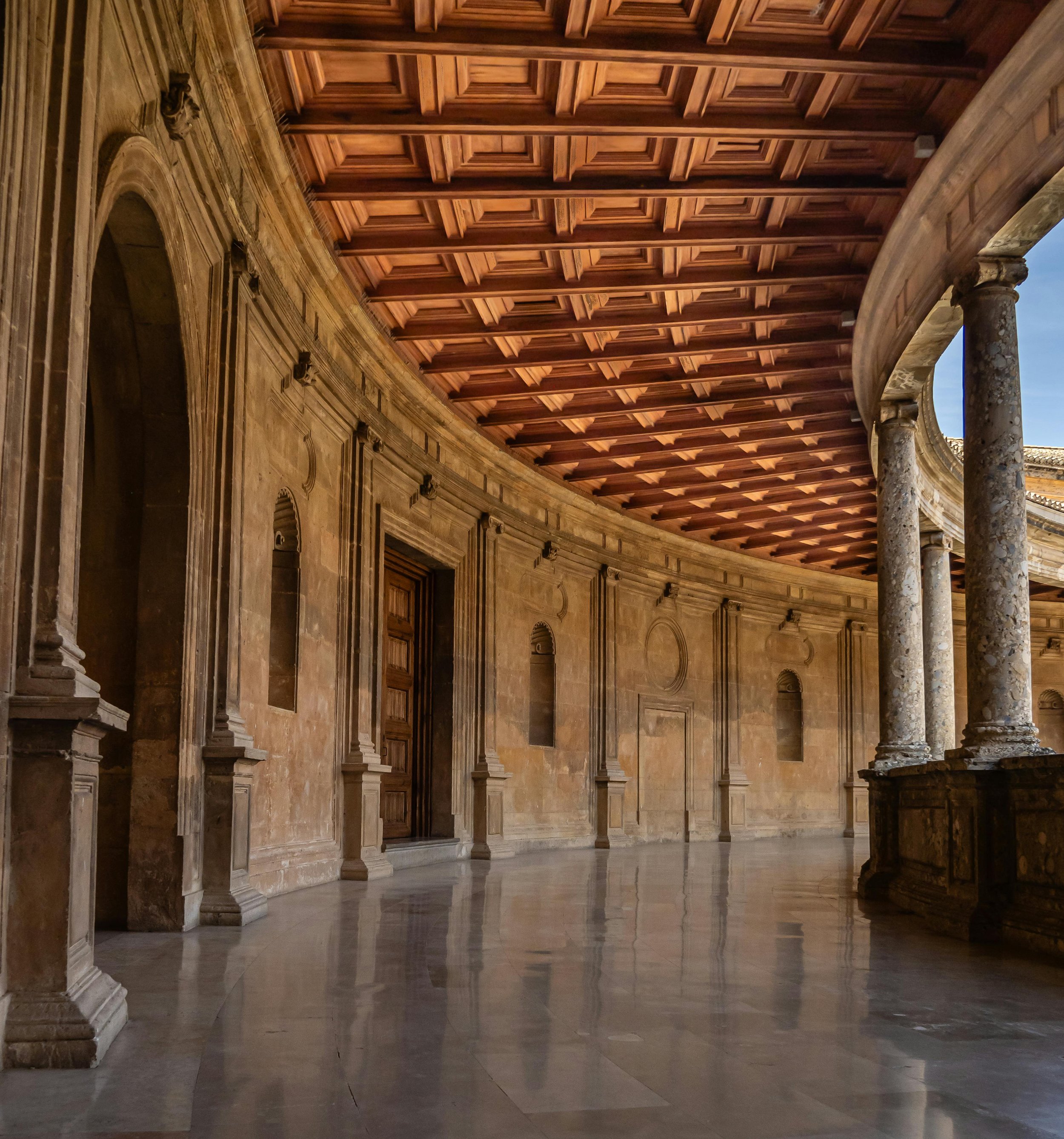
Explorer Diaries: 7 Days in Andalusia
Discover the must-see sights of Andalusia.
Planning a trip to Andalusia? You’re in for an unforgettable mix of history, culture, and incredible food. Here's how I’d spend 7 days soaking up the best of this stunning Spanish region, with a mix of must-see sights, dreamy dining spots, and laid-back vibes.
Day 1: Hola, Seville!
Welcome to Seville! Start with the Seville Cathedral—it’s massive, gorgeous, and the climb up the Giralda Tower gives you views for days. Next, explore the Royal Alcázar, a palace that looks like something out of a fairytale with its intricate Moorish design and lush gardens.
When hunger strikes, head to the Santa Cruz neighbourhood for tapas. Seriously, the food here is unreal. Don’t leave without trying cazón en adobo or espinacas con garbanzos.
Day 2: More Seville Magic
Start your morning at Plaza de España—it’s Instagram gold. While you’re there, stroll through Maria Luisa Park, which feels like a little green oasis in the city. Later, cross the bridge to Triana, a neighbourhood with amazing ceramics and a lively market.
End the day with a flamenco show. Trust me, it’s intense, passionate, and everything you imagined Spain would be. Casa de la Memoria is a classic spot, but you can’t really go wrong.
Day 3: Córdoba’s Mezmerising Mezquita
Hop on a train to Córdoba (it’s only 90 minutes). The Mezquita-Catedral is a must—its mix of Islamic and Christian architecture is totally mind-blowing. After that, wander through the Jewish Quarter and snap some pics at the Roman Bridge.
Lunch at a local taberna is non-negotiable. Order salmorejo (Córdoba’s creamier, dreamier take on gazpacho) and thank me later.
Day 4: Granada’s Alhambra Dream
Next stop: Granada! Start slow because the highlight here is the Alhambra, and you’ll want all your energy for it. This palace is pure magic—ornate, sprawling, and set against the Sierra Nevada mountains. Don’t miss the Generalife Gardens, they’re serene and stunning.
For dinner, head to the Albaicín district. The cobbled streets and Alhambra views will make your evening feel straight out of a postcard.
Day 5: Romance in Ronda
Drive to Ronda, a city perched dramatically on a cliff (seriously, it’s breathtaking). The Puente Nuevo bridge is the star of the show—cross it, photograph it, marvel at it. Visit the Ronda Bullring, one of Spain’s oldest, and then wander the charming old town.
Dinner here is hearty and Andalusian. Try rabo de toro (oxtail stew) at a cosy spot overlooking the gorge. It’s comfort food with a view!
Day 6: Chill in Málaga
Head to Málaga for some coastal vibes. Check out the Picasso Museum (he was born here!) and the Málaga Cathedral. Then, hit Malagueta Beach for some sun and sea. If you want something quieter, drive to Nerja—its beaches are pristine.
Dinner by the water is a must. Order espetos (grilled sardines) at a beachside chiringuito and enjoy the Mediterranean sunset.
Day 7: Farewell, Andalusia
Spend your last morning exploring Málaga’s Alcazaba, a Moorish fortress with epic views. Then, do a little souvenir shopping—ceramics, olive oil, and handicrafts make great gifts (or treats for yourself).
Relax with one final café con leche at a sunny terrace before heading to the airport.
Final Tips
Andalusia is the perfect mix of history, beauty, and amazing food. Rent a car if you want more flexibility, but the trains are super reliable too. Pack comfy shoes for all the cobblestone streets, and most importantly, take your time. This isn’t just a holiday; it’s an experience you’ll never forget.
Travel Guide: Cruisin' On The River
Think ‘cruise’ and you probably picture island hopping along the Mediterranean. TFO welcomes you to the world of the river cruise.
For most of us, thinking of cruises means huge ferries and island hopping in the Caribbean or Mediterranean. That’s because you haven’t come across the latest in the world of cruises: rivers. Yes, once reserved for fishing the world over, river cruising has more recently become a new way of seeing the world.
Whilst river travelling was historically primarily used to search for better living conditions, food and safety, it has now become one of the best ways to see and experience the world. You get the comfort of a hotel; amazing views and you get to experience multiple cities at once without spending thousands of dollars. Culinary tours, exotic views, wine & dine experience – there’s a river cruise for anyone’s taste.
Below are 3 top-rated river cruises that include visits of some of our world’s most stunning locations.
Mekong
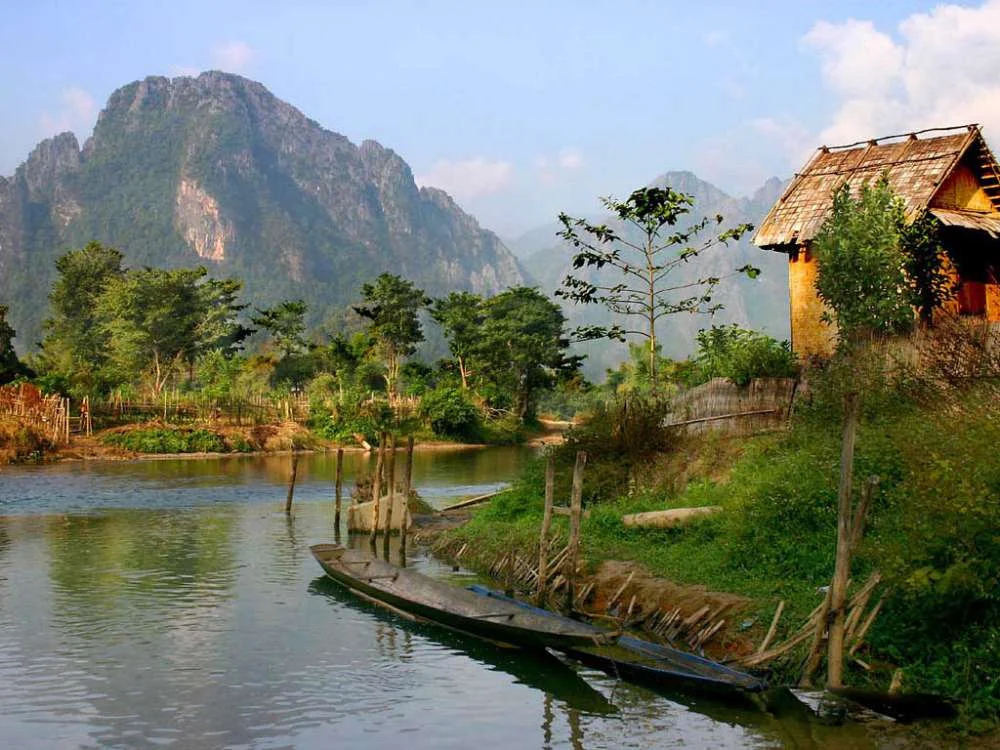
This brown-colored river (known to locals as The Mighty Dragon) runs through 6 countries - China, Burma, Laos, Vietnam, Cambodia, and Thailand. It’s one of the best ways to experience the Asian culture.
Feel the spiritual Burmese lifestyle in the centuries-old temples of Bagan or look at the history of the Buddhists at the Kuthodaw Pagoda stupa in Mandalay. One of the stops also includes the biggest religious monument in the world – the Buddhist temple complex Angkor Wat, originally built by Hindus as a gift for their god Vishnu.
Colorful markets filled with the scent of traditional sweets, cheerful traditional singers and dancers will welcome you in Cambodia and Vietnam, while the endless, breathtaking rice terraces of China and Thailand will be the ideal picturesque sunsets. Along the way, you will also find many historical reminders of gruesome rulers that will send chills down your spine.
Any destinations you pick on the Mekong River offers a view of an entirely different world. The best time to cruise this river is between November and February, during the dry and cool season.
The Amazon
While cruising with a large luxurious boat you get large windows where you can watch your surroundings from an airconditioned room, smaller cruise ships can go further upriver to many underdeveloped areas.
The abundance of natural plants, versatile cultures and animal life you will find cruising on the Amazon is something that can’t be found anywhere else in the world. It’s the perfect river to experience the raw wildlife and see anacondas, jaguars, and caimans in their natural habitat. Activities include birdwatching, kayaking, fishing, and tree climbing. You can stop by at the legendary Pacaya-Samiria Reserve, home to the “Mirrored Forest” and a vast array of flora and fauna, see the Sacred Valley of the Incas, the citadel of Machu Pichu and many other natural and historical monuments. Every one of the sights will create a lifelong memory of an incredible adventure.
The wet season lasting from May to December rises the river’s water level, creating perfect conditions to get closer to the trees and find more plants and wildlife.
Rhine
From classy vineyards to medieval castles, Rhine brings you closer to every aspect of the European lifestyle. Cycle in the streets of Amsterdam. Enjoy a delicious meal with a Basler Leckerli spiced cookie in Basel. Stare at the ancient Romanesque architecture in Mainz. Be inspired by the stories of Notre Dame in Strasbourg.
Along the river bank, you will find hundreds of museums, home to thousands of monuments that will tell you stories of a different time: Anne Frank's House, Gutenberg Museum, Cathedrale de Notre Dame, Van Gogh Museum, the Dom and many other.
But history is not the only thing you can experience. You can enjoy a wine & dine experience in lush vineyards and colorful villages. Drink one of the best Rudesheim coffee. Eat the best traditional schnitzels. There is something for everyone on the Rhine.
Boats rove the river all year long, but the best time to cruise it is during spring and autumn in order to avoid the summer crowds.
Explorer Diaries: Mexico City
Team TFO’s globetrotters are at it again, and this time, we’re in Mexico! Find out what our very own Gabriele had to say about the delights of Mexico City as she discovers the country.
Just as Verona was home for Romeo and Juliet’s love story, Mexico City hosted the incredible story of two life partners in love and in art: Frida Kahlo and Diego Rivera - the difference being that the latter were two non-fictional characters. Both of them were equally talented painters and two of the most influential artists of the 20th century. As an art history lover, I started my visit to Mexico City exploring three key stops on the Kahlo-Rivera trail.
The Diego Rivera Mural Museum is a one-painting museum in the city centre, where I saw Diego’s mural, “Dream of Sunday Afternoon in Alameda Park” (painted in 1947).
It is a breathtaking masterpiece with an incredible amount of detail, telling the history of Mexico through more than 75 historical figure portraits. In the centre of the artwork one cannot miss “La Calavera Catrina” – a Mexican symbol of death.
In the painting, Diego’s wife, Frida, is portrayed as a mother, gently resting one hand on younger Diego’s shoulder, and holding a yin-yang symbol in the other.
In one of the drafts for his mural, I was surprised to see that Diego purposely left Frida off the painting; upon further research, I discovered this was because they were having an argument that day – their 25 year long marriage was riddled with many emotional fights.
My second stop is Frida Kahlo’s House, located in the Coyoacán borough of Mexico City.
If I had only known that this is now one of the most visited tourist sites in Mexico, I would have bought my tickets online to avoid the two-hour queue. Today, Frida is an icon for art lovers, feminists, the LGBTQ community, and fashionistas across the world – all of them wishing to get a glimpse into her life.
As I wandered through the rooms, each of them helps to put together a complex image of Frida; a colourful kitchen and dining room where the couple hosted prominent guests, a studio where one can find the mirror Frida used for self-portraits, as well as a huge poster analysing the development of the human embryo. Finally, on a dressing table in a bedroom, Frida’s ashes are deposited in a toad urn, a love symbol referencing Diego.
While Diego would paint what he saw with his eyes, Frida would put into her paintings what she felt in her heart. Frida was wild, passionate, warm, and at the same time, an incredibly fragile woman. At the age of 18, she suffered a tragic accident that left her in severe pain for most of her life and contributed to her multiple miscarriages. Frida did not talk about her miseries - she was cheerful and fun, reserving her suffering for her work. In self-portraits, she represented her disabilities, cultural heritage, political views, and her relationship with Diego.
While at her studio, I overheard some people saying that her self-portraits are evidence of her self-obsession. I see her differently – a lonely woman, unsatisfied with her boyish face, distracting the viewer from her legs by covering them with long skirts, and finally, a talented artist overshadowed by her husband.
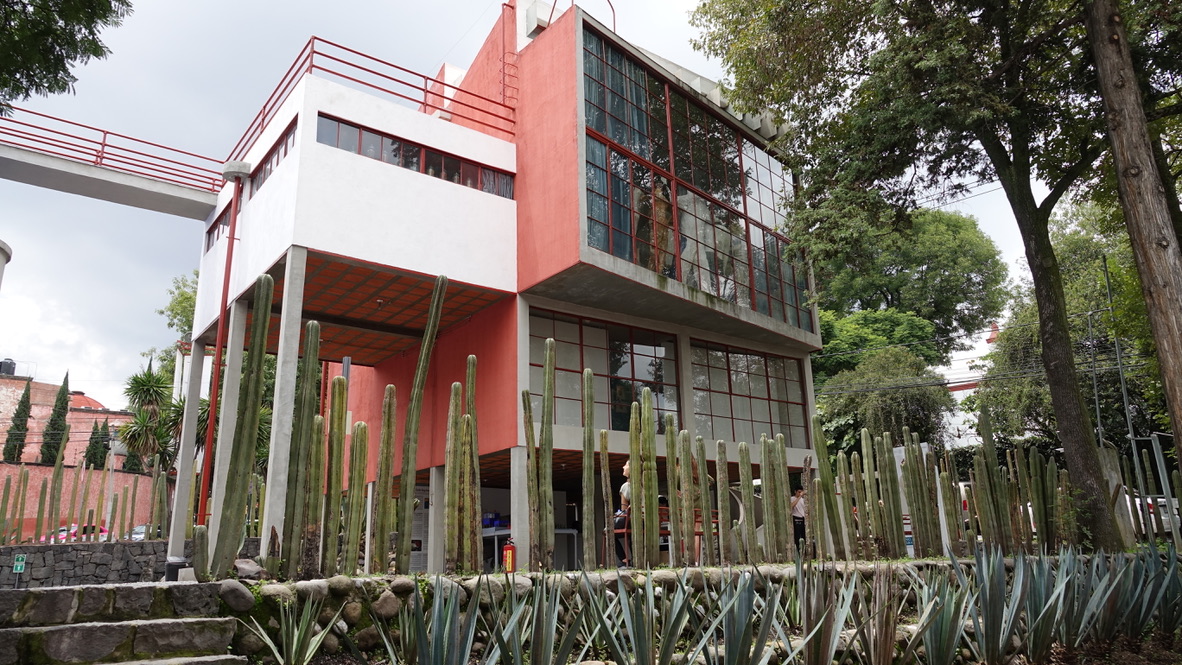
The third stop is Diego Rivera and Frida Kahlo’s Studio Museum designed by the couple’s architect and friend, Juan O'Gorman, in 1931. It is an incredibly modern building - two separate houses joined by a foot bridge on the rooftop – one for Frida and one for Diego. The architectural structure of the building perfectly illustrates their relationship; both of them were prominent figures in their own rights, but their partnership is what made them a legendary Mexican couple.
Diego and Frida were as colorful and dynamic as Mexico City’s streets and the people that occupy them. Both artists were full of life, adored, and hated, but most importantly, could not live without each other.

Travel Guide: Desert Escapes to Steal Your Heart
If you’re looking for something a little different for your next adventure, why not head to one of the world’s most stunning beauty spots in the desert. Here are our picks!
When it comes to desert holidays, it’s likely that Dubai’s rolling dunes or Morocco’s spectacular sands spring to mind. Instead of these firm favourites, I’ve chosen a few more unusual desert escapes to pique your interest.
Namibia
Despite not being the first on everyone’s list, there is perhaps no better desert location than Namibia. The desert here is one of the largest and most impressive in the world, spanning over 80,000 km².
Although you may think this arid region should be sparse on wildlife, the Namib Desert is in fact home to a vast array of birds, mammals and reptiles! A great way to witness the mighty black-maned lions, galloping gazelles and herds of African elephants that roam the sands is via a self-drive holiday through this magnificent country. Work your way from the country’s capital, Windhoek, on to Sossusvlei and Damaraland before exploring Etosha National Park. You can even stop off at the Tropic of Capricorn en route, which features a sign to mark the furthest point south that the sun can be seen directly overhead.
While on your journey you may want to push the boat out and discover the dunes from above on a once-in-a-lifetime hot air balloon ride above the desert!
Once you’ve hiked up the mammoth Big Daddy dune in Sossusvlei, dig your toes into the sand and sit back and relax as you watch the sands change from red to burnt orange to golden yellow as the sun rises for the day. Even though the memory of these breath-taking views will last a lifetime, be sure to snag some snaps of this unique location. Another photo-worthy destination on your route is Deadvlei. This quintessential landscape of Namibia comprises of a dry, white clay pan floor peppered with black, dead camel thorn trees set against a backdrop of orange-hued dunes – just wow!
And if, by now, you haven’t had enough of sand, end your Namibian adventure with a drive down the Skeleton Coast, a rugged shoreline scattered with shipwrecks that runs from Angola all the way down to Swakopmund. Don’t forget to look out for seals and other wildlife as you drive.
Antarctica
It is a little-known fact that The Arctic and Antarctica are actually both desert landscapes. Despite being covered in ice, the region of Antarctica receives such a low amount of annual rainfall that is it classed as a desert.
If you are ever fortunate enough to reach the seventh continent, you’ll soon see the similarities (and of course, differences) between this vast wilderness and the deserts of Africa and Asia. What at first seems devoid of life, soon turns out to be a remote home to some unique wildlife. As you move from island to island through Antarctica’s archipelago you’ll begin to spot a range of birds, from petrels and terns to huge wandering albatrosses and the much-loved penguins!
Penguins are peculiar characters so you’ll never get bored of watching them waddle through the snow, slide around on ice floes or dive into the frigid waters of the Antarctic Peninsula. From squawking gentoos and cute Adélies, to golden-throated emperors and quirky chinstraps (named for their characteristic black-lined chins), you’ll never run out of photographic opportunities.
The best way to visit Antarctica is by boat. The ice-breaker ships that venture to Antarctica have been specifically designed to navigate these waters. Although the journey through the Drake Passage to reach Antarctica can be somewhat treacherous (depending on sea conditions) the wonders that await you will hopefully have you feeling that it was all worthwhile.
Witnessing sweeping glacial vistas, mountainous icebergs and tranquil plateaus of water will be sure to leave you astounded.
The Antarctic cruising season runs from November to March with each month being “best” for a certain type of experience. The landscapes will be totally unspoilt in November leaving untouched trails of ice and snow; December and January bring penguin hatchlings and plenty of hours of sunshine; and February and March allow for greater whale sightings and the chance of spotting fledgling chicks.
Oman
Another spectacular destination for a desert escape is Wahiba Sands in Oman. This remote region is home to a collection of nomadic Bedouin tribespeople who roam this seemingly desolate environment in search of food, water and a place to call home (for a few nights at least). Enjoy an authentic Bedouin camping experience with sunset camel rides, traditional food and desert-brewed coffee before laying back to take in the mass of stars overhead. The dark night sky in the desert is the best place in the world to witness the galaxy, with the Milky Way, planets and shooting stars clearly visible throughout the night.
Aside from during traditional Bedouin music shows, the silence out in the desert is incomparable. Those who live in cities may find it difficult to sleep being in such a noiseless place but if you can learn to appreciate the silence you’ll begin to see the beauty of living in such a remote region. Enjoy it while it lasts as once you return to the hustle and bustle of Muscat you’ll soon be wishing you were back out in the dunes!
Oman’s desert is also a great spot for adrenaline junkies thanks to the option to rampage through the dunes on buggies, quad bikes and 4x4s.
Contrasting with the flat landscape of Oman’s desert is the Western Hajar mountain range and Wadi Ghul, Oman’s answer to the Grand Canyon. This dramatic gorge plunges deep into the earth with sweeping vistas and stunning layers of rock and sand. If you’re brave enough, take on the Balcony Walk, an exhilarating hike along the edge of the cliffs - looking down if you dare!